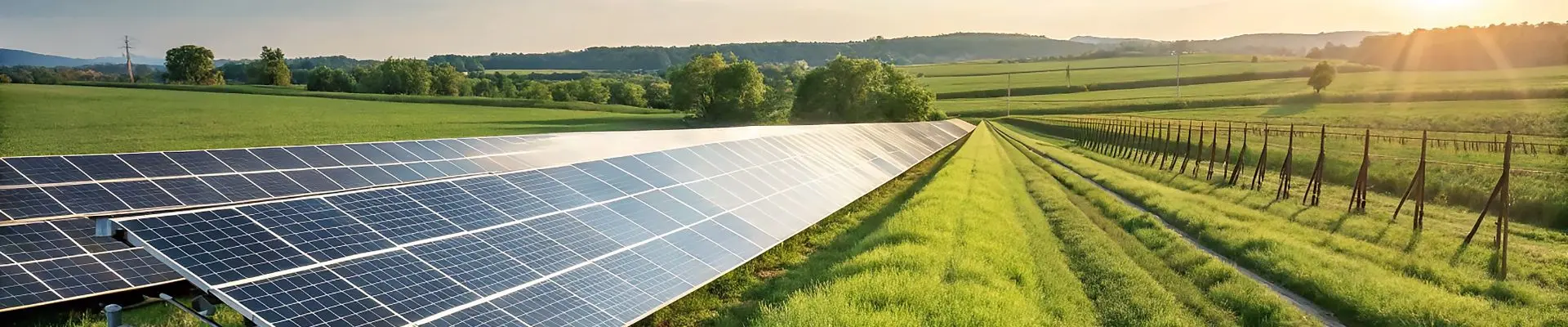
A long row of solar panels is gleaming in a green field at sunset.
Reliable energy. Verified safety.
HomepageIndustriesPower generation and distribution

Power generation and distribution

Safety, reliability, and long-term asset value across the lifecycle

Power generation and distribution assets operate across long lifecycles – from planning and design to construction, operation, maintenance, and decommissioning. Each phase presents specific challenges related to safety, regulatory compliance, environmental performance, and cybersecurity.
The transition toward decentralized and renewable energy generation, combined with increasingly digitalized power infrastructure and stricter regulatory requirements, is adding complexity to energy systems.
DEKRA supports utilities, grid operators, and energy companies with independent testing, inspection, certification, and technical services that strengthen operational reliability, resilience, and sustainability throughout the asset lifecycle.
DEKRA – global presence and energy expertise
Lifecycle-based asset verification

From planning and construction oversight to periodic operational inspections and decommissioning, DEKRA helps ensure regulatory compliance, asset integrity, and safe operations throughout the entire asset lifecycle.

Inspection and non-destructive testing

Mandatory and voluntary inspections, fire protection, and advanced non-destructive testing (NDT) help identify damage at an early stage, reduce unplanned downtime, and improve asset availability.

Cybersecurity and critical Infrastructure

The digitalization of energy systems creates new opportunities as well as new risks. DEKRA provides information security consulting, cybersecurity assessments, and digital HSE solutions to protect critical infrastructure and support operational continuity.

Renewable energy and sustainable transition

Environmental advisory services, sustainability audits, emissions verification, and renewable energy asset inspections help organizations meet regulatory requirements and support climate objectives.

Our approach

An integrated lifecycle and risk-based approach

DEKRA applies a risk-based approach throughout the energy asset lifecycle – from planning and construction to operation, maintenance, and decommissioning.
During the planning and construction phases, we conduct design reviews, equipment verification, and safety inspections. This helps identify technical deficiencies and safety risks at an early stage, before they result in costly failures, delays, or modifications.
During operation, periodic and mandatory inspections, non-destructive testing, and fire protection assessments contribute to higher asset availability and reduced risk of unplanned downtime.
Environmental advisory services, emissions verification, and sustainability audits also support regulatory compliance and climate objectives.
As energy systems become increasingly digitalized, protecting critical infrastructure is becoming equally important. DEKRA provides digital HSE solutions, cybersecurity assessments, information security management system (ISMS) support, and operational resilience assessments. Together, these services help protect energy systems against both operational disruptions and cyber threats.
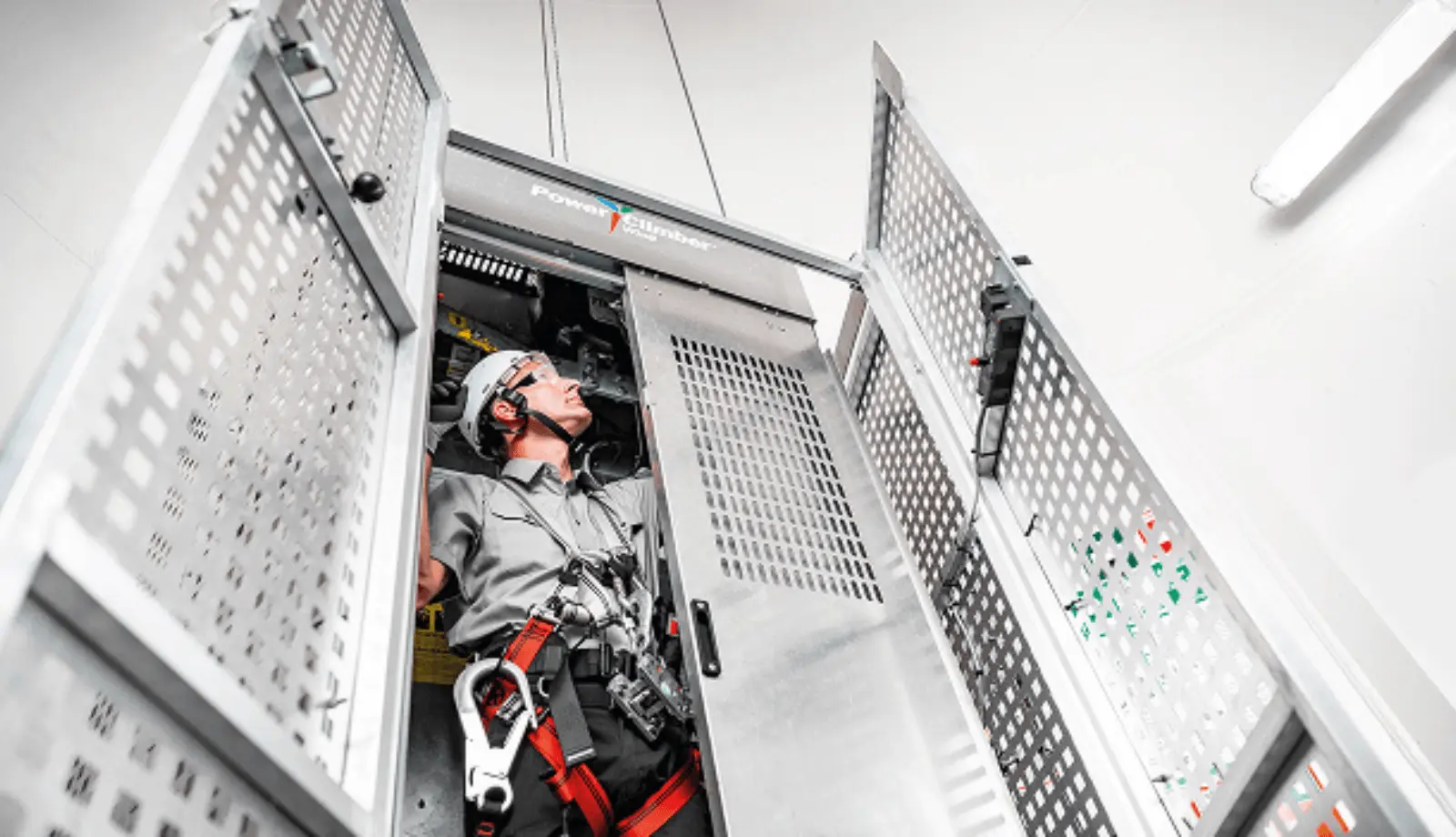
A technician in a service lift in a wind turbine, wearing a full set of personal fall protection equipment (PFPE) to work safely at height.
Our services
Strengthen operational reliability, asset safety, and regulatory compliance Discover how DEKRA can support you throughout the energy asset lifecycle – from planning and construction to operation, maintenance, and decommissioning. We provide services for both conventional and renewable energy assets, as well as critical energy infrastructure. Our solutions are tailored to operations where high availability, technical safety, and regulatory compliance are essential.

Links

FAQ

Why is a lifecycle-based approach important for power generation and distribution?

Power generation and distribution assets typically have long lifecycles and pass through several stages – from planning and construction to operation, maintenance, and eventual decommissioning. Each phase presents different technical, environmental, and regulatory risks.
Independent verification throughout the lifecycle helps identify and address deficiencies before they become embedded in an asset or develop into more significant problems.
During planning and construction, independent design reviews and equipment verification can reduce the risk of costly errors. During operation, periodic inspections, non-destructive testing, and safety audits support continued compliance and operational reliability.
A lifecycle-based approach therefore contributes to long-term asset performance, reduced risk, and better control of maintenance and investment requirements.
Independent verification also strengthens transparency and can increase confidence among regulators, investors, insurers, and other stakeholders.

How does independent inspection improve asset availability and grid resilience?

Energy infrastructure is exposed to significant mechanical, electrical, and environmental stresses. Failures in pressure equipment, transformers, switchgear, or high-voltage installations can result in major operational disruptions, power outages, and safety incidents.
DEKRA performs both mandatory and voluntary inspections and combines these with advanced non-destructive testing methods. This makes it possible to identify early signs of material degradation, damage, and other deficiencies before they lead to serious failures.
Independent inspections support preventive and condition-based maintenance, reduce the risk of unplanned downtime, and contribute to greater resilience across energy systems.

What does operational resilience mean in practice?

Operational resilience refers to an organization's ability to maintain critical energy and infrastructure services during disruptive events, such as cyberattacks, system failures, or external crises.
Organizations are increasingly expected to demonstrate structured capabilities for managing disruptions. This includes identifying critical functions, managing incidents, and restoring operations quickly.
DEKRA conducts independent operational resilience assessments covering areas such as business continuity management systems, crisis and escalation procedures, recovery time objectives, and scenario-based testing. This gives organizations stronger capabilities to manage disruptions before they develop into widespread or system-critical outages.

How does DEKRA support renewable energy integration and the energy transition?

Energy systems are evolving toward more decentralized generation, a greater share of renewable energy, and increasingly digitalized distribution networks. This transition creates new opportunities but also increases technical and regulatory complexity.
DEKRA provides independent environmental advisory services, sustainability audits, and inspections of renewable energy assets. These services help organizations address regulatory requirements and support progress toward climate and sustainability objectives.
Verification of emissions, energy efficiency, and sustainability-related key performance indicators contributes to greater transparency and provides stronger decision-making support for regulators, investors, and other stakeholders.

Why is cybersecurity becoming increasingly important for energy infrastructure?

Modern power generation and distribution rely on digital monitoring platforms, SCADA systems, and interconnected control and automation systems. Digitalization improves efficiency and enables enhanced monitoring, but it also creates new attack surfaces for cyber threats targeting critical infrastructure.
DEKRA provides independent cybersecurity assessments, support for implementing and developing information security management systems (ISMS), and operational resilience assessments.
By strengthening the protection of both operational technology (OT) and IT systems, organizations can reduce the risk of cyber-related operational disruptions.
Cybersecurity is therefore an important part of overall operational reliability. A cyberattack or disruption affecting digital control systems can have direct consequences for physical energy infrastructure. A structured cybersecurity approach helps protect critical functions, maintain power supply, and strengthen the long-term resilience of energy systems.
Share page :